Raising a Reader - When and How to Introduce Books

Updated: May 16
"When should I start reading to my kid?"
This is a question you'll hear over and over in the caregiving world. Our society puts so much pressure on children learning to read, but many parents struggle to know when to start with books. I've been disheartened many times seeing a parent explain that their child is 'too young for books'.
Very young children may not appear interested in being read to the first time you pull out a book. Even after years of reading together they may not always be interested. This doesn't mean that they cannot enjoy books. Usually the issue is in the presentation, as well as our own expectations.
Your child's literary adventures can begin the day they arrive in your home.
What If They Can't Sit Still For A Story?
You're three pages into the book and your toddler walks away. If they've left your lap and begun playing with their toys across the room, do you keep reading?
Yes! Sitting still should not be a requirement for being read to.
Listening to a story is an auditory activity. Sometimes children like to look at the pictures or cuddle during storytime, but not always! Playing with toys while you read can actually help many children to process the words they are hearing.
Try reading to your child while they play or eat, or while they are waking up or falling asleep.
My Child Interrupts While I'm Reading
Babies love flipping pages and interrupting. As someone with 12+ years of experience reading to babies, I know that this is extremely frustrating.
We need to keep in mind as caregivers, though, that these actions are not intended to disrupt the story. Your child touching or talking about the book actually means that they are engaged!
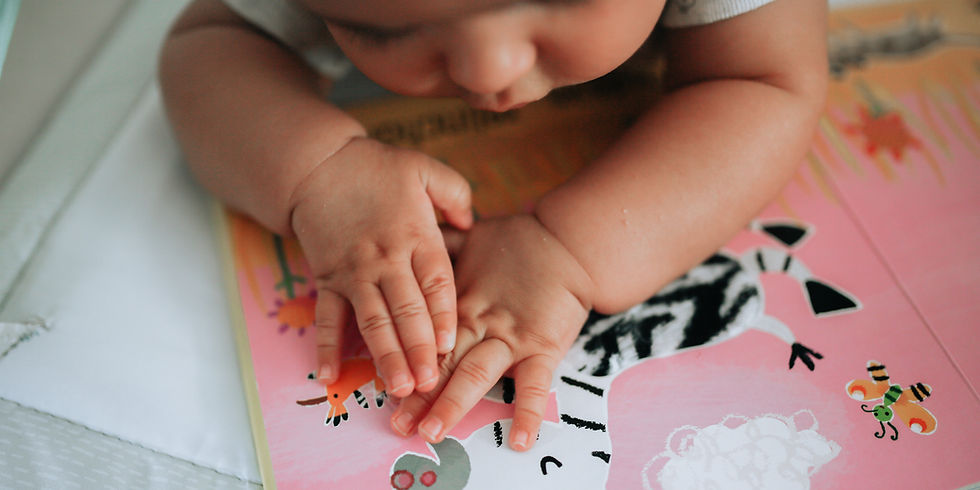
If your child really likes to explore the book, as opposed to just listening, give them more opportunities to do just that. Interactive books are a great choice here (lift the flaps, sensory books, etc). Instead of focusing on the words and the story, try to explore the book together. Maybe your child prefers talking about what they see on the page rather than listening to you read.
Try leaving books in their play area as well, allowing them to explore on their own time!
While some children enjoy being read to, others prefer storytime to be more interactive.
My Kid Completely Ignores Me When I Read
Many parents give up on reading to their kids when the child shows no interest. There are many reasons a child may not appear interested in you reading, and a few easy strategies to try if you struggle with this.
Reduce distractions - Most children are less interested in books when in public or busy spaces. Even being near toys may be too distracting for your child. If this is the case, begin your reading journey at quiet times when your child is already calm, such as before bed or during meals.
Create consistency - Many kids thrive on routine, especially when it comes to focused activities. Choosing consistent times to read together each day can help them mentally prepare for a calm, focused activity during their busy day.
Don't expect active listening - It's OK if your kid ignores you while you read! Keep reading! Read to them while they play, during down time, etc. Your child most likely appreciates your reading to them, even if they're not actively engaged.
So... When Should I Start?
Right now!
If you want to raise a book-lover, focus on building excitement around books. Reading should be a casual, everyday activity - not a chore. Try the strategies above until you find what works for your kid.
Storytime has no rules. Provide your child with ample opportunity to explore books in a way that works for them, and you'll have raised an enthusiastic young reader.
Looking to expand your child's library? Check out the Loved Books shop!
Our inventory is thoughtfully-curated, eco-friendly, and affordably-priced.

Comments